
Europe is rapidly reshaping the landscape of technology. From strict AI regulations and cybersecurity standards to accelerating digital transformation, companies must adapt quickly to remain competitive. Understanding these European tech trends is now essential for businesses operating in the region.
In this article, we explore three key developments shaping Europe’s tech ecosystem in January. We cover AI regulation, AI adoption and digital transformation. Each section highlights why these changes matter and how organizations, especially nearshore teams, can prepare to scale efficiently and securely.
Regulation: AI rules are moving fast
The AI regulation in Europe: A World-First Regulatory Framework
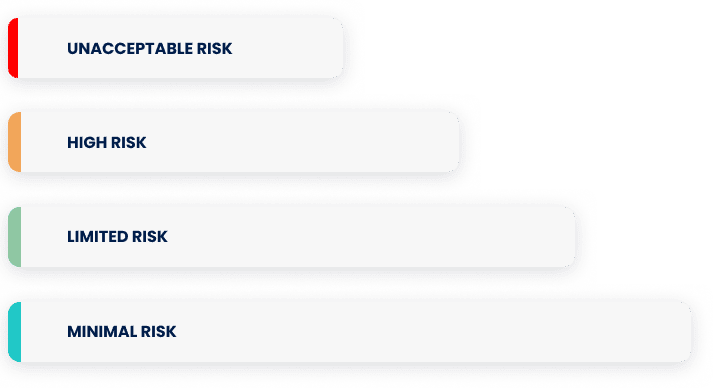
The EU Artificial Intelligence Act introduces the first comprehensive AI regulatory framework in the world. It categorizes AI systems based on risk and sets requirements for transparency and safety for providers and users. The goal is to make AI systems in Europe trustworthy, fair and safe while still encouraging innovation and economic growth.
High-Risk AI Systems and Compliance
High-risk AI systems used in areas such as recruitment, credit scoring, healthcare and critical infrastructure must follow strict norms regarding data quality, documentation, human oversight and risk management. Companies are required to ensure system reliability and traceability while maintaining acceptable levels of risk for individuals and society.
Less risky AI applications face lighter requirements to ensure innovation is not stifled. This balance allows businesses to experiment while staying compliant with AI regulation in Europe.
Supporting Businesses Through the Transition
To help organizations prepare, the EU launched voluntary initiatives such as the AI Pact. This allows companies to start aligning with the rules before full enforcement. Early adoption of these guidelines gives businesses a competitive advantage in building trustworthy AI systems.
Cybersecurity and Digital Market Infrastructure
Alongside AI regulation, the EU is strengthening cybersecurity through laws such as the Cyber Resilience Act. These rules cover the full lifecycle of digital products including hardware and software to ensure cybersecurity compliance at every stage. Rules governing digital market infrastructure are also being refined to create safer and more reliable digital ecosystems.
Why It Matters
For businesses in Europe, regulatory readiness is non-negotiable. AI and digital compliance must be integrated from the design and engineering stages. Companies that plan early can scale safely and gain customer trust within a regulated digital landscape.
AI adoption: Growing, but uneven
Expanding AI Across Industries
European organizations are moving fast from AI experimentation to full-scale integration. AI is being used in finance, retail, manufacturing and healthcare to automate tasks, improve customer experience, guide decisions and boost productivity. Tools such as generative AI, analytics software and AI-driven customer service solutions are now common.
Scaling Challenges
Despite rapid adoption, many companies have only small-scale pilot projects. Scaling AI across the organization remains a challenge especially given the evolving regulatory landscape on transparency, accountability and risk management.
Skills and Talent Constraints
The demand for AI specialists, data engineers and machine-learning experts exceeds supply. Organizations are investing in upskilling, partnering with external providers or using low-code and no-code platforms to bridge skill gaps.
Strategic Importance of AI
AI is no longer just a technical upgrade. It is central to digital transformation and European tech trends. Companies that link AI adoption with governance, quality data and continuous upskilling can scale effectively while those that delay risk falling behind competitors.
| Theme | Summary |
|---|---|
| Expanding AI Use | AI is being used across industries to automate tasks and boost productivity. |
| Scaling Challenges | Companies struggle to scale AI beyond small pilots due to regulations. |
| Skills & Talent | Lack of AI experts leads to upskilling and external support. |
| Strategic Importance | AI is key to digital transformation and staying competitive. |
Why It Matters
AI adoption drives efficiency, innovation and competitive advantage. Teams that integrate AI strategically position themselves to thrive in Europe’s fast-evolving tech landscape.
Digital transformation: Still accelerating
Accelerating Enterprise Modernization
European companies are modernizing core systems, migrating to the cloud and automating business processes. What started as digitalizing front-office services has evolved into full-scale transformation affecting finance, supply chains, customer experience and product development.
Cloud, Automation and AI
Cloud platforms are at the center of transformation strategies. They enable rapid scaling, better data access and faster deployment of applications. Automation and AI streamline operations, reduce manual workloads and enhance decision-making across departments, creating more flexible and efficient operations.
Changing Work Models
Hybrid and remote work are now standard for many European organizations. Collaboration platforms, digital workflows and secure system access allow teams to work effectively regardless of location and reshape how projects are delivered.
Structural and Skills Considerations
Digital transformation involves more than technology. Businesses must manage structural change, integrate data effectively, ensure security and upskill employees to maximize productivity on new platforms, especially when legacy systems are involved.

Why It Matters
Digital transformation drives resilience, growth and competitiveness. Organizations that modernize their technology and working models are better prepared for market changes while those that lag face increased pressure from nimble competitors.
Explore how Nearshore Portugal helps you build AI-ready teams for Europe’s fast-changing tech landscape.