
Remote work didn’t evolve slowly; it expanded almost overnight as a result of COVID-19, turning working from home into a permanent reality for many. While flexibility, autonomy and location independence are often highlighted, the disadvantages of remote work tend to appear gradually, making working from home challenging in ways many didn’t expect.
In our previous articles, including “The Future of Office Work: Is it Finished?” and “Nearshore IT Outsourcing: Covid-19 After-Effect”, we touched on this shift. Many organizations and employees are only now fully experiencing what remote work looks like day to day. This article explores key areas where working from home becomes difficult and how companies can respond through strong leadership, clear structure, and a thoughtful nearshoring approach.

Isolation and Emotional Distance in Remote Work Environments
One of the most common disadvantages of remote work is the lack of everyday human interaction. Casual conversations and informal breaks are missing in remote settings, affecting professional relationships and emotional connections.
Many remote workers experience feelings of loneliness and anxiety. According to Gallup, 25% of remote workers report daily loneliness, compared to 16% of fully onsite employees.
Why It Matters
Emotional distance affects motivation, engagement and long-term retention. Without intentional connection, nearshore collaboration and remote teams risk becoming fragmented and disengaged.
Blurred Work-Life Boundaries: When Working From Home Becomes Challenging
Working from home can be challenging because physical boundaries between work and life disappear. Bedrooms become offices, and flexible schedules may turn into overwork and burnout, especially for teams operating across multiple time zones.
Remote Employees More Likely to Experience Negative Emotions
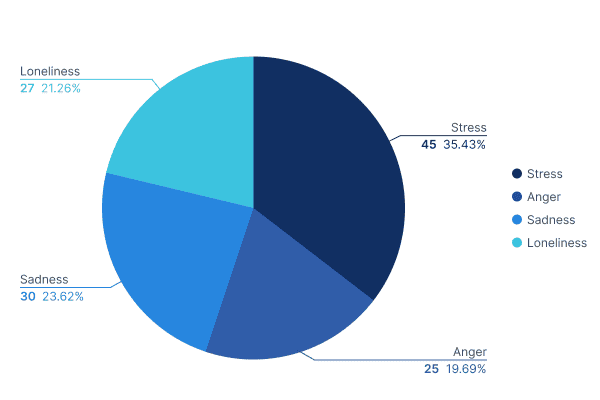
Why It Matters
Burnout reduces productivity and increases turnover. Clear boundaries and structured working hours are essential for sustainable remote work.
Communication Without Context: A Core Disadvantage of Remote Work
Digital communication emphasizes speed but often sacrifices clarity. The absence of tone, physical presence, and immediate feedback can cause misunderstandings. Teams may spend more time coordinating via multiple tools and meetings than actually working.
A survey found that 20% of remote workers face challenges in communication clarity, response time, and tool coordination.
Why It Matters

Poor communication slows decision-making and reduces collaboration, especially in distributed and nearshore remote teams.
Career Progression Challenges in Remote and Nearshore Teams
Visibility is one of the most underappreciated disadvantages of remote work. Remote employees are less visible in leadership conversations, networking, and career advancement opportunities.
Studies by Forbes and The Wall Street Journal show that remote workers are 31% less likely to receive promotions than office-based peers. Mentorship is less accessible, and evaluations often focus solely on availability.
| Group | How Remote Work Affects Them Most |
|---|---|
| Early-career professionals | Reduced mentorship, limited visibility, slower career growth |
| Fully remote employees | Higher risk of isolation, burnout, and blurred work–life boundaries |
| Managers of remote teams | Increased communication overhead and coordination challenges |
| Nearshore remote teams | Dependency on clear processes and strong collaboration to stay aligned |
Why It Matters
Unequal career progression creates disengagement and long-term talent loss, particularly in remote and nearshore environments.
Nearshore Remote Teams: Structure, Trust and Accountability
Effective managing nearshore remote teams goes beyond providing collaboration tools. It requires clarity, trust, and strong leadership. The best teams operate with well-defined expectations around goals, availability and communication.
Good nearshore managers:
- Focus on results, not hours worked
- Provide autonomy and encourage feedback
- Balance performance discussions with personal connection
Why It Matters
Strong leadership turns remote teams from isolated contributors into aligned, accountable units.
Nearshore Collaboration as a Strategic Response to Remote Work Limitations
Businesses increasingly view nearshore collaboration as a solution to remote work challenges. Nearshore teams operate in closer time zones, share cultural understanding, and provide faster feedback than fully distributed global teams.
This nearshoring approach addresses key disadvantages of remote work while maintaining flexibility and cost-effectiveness.
Why It Matters
Nearshore collaboration bridges the gap between remote flexibility and operational efficiency.
Final Thoughts: Rethinking the Nearshoring Approach to Remote Work
Remote work has advantages, but downsides like isolation, burnout, poor communication, and lack of visibility are real. Experiences vary widely, making it essential to implement boundaries, defined hours, and transparent performance criteria.
The problem with remote work is that people often frame it as either good or bad, when in reality it sits somewhere in between. Nearshore collaboration, when applied effectively, plays a vital role in building remote teams that truly work. The question worth asking isn’t whether remote work works, but for whom, under what conditions and at what cost.
Explore how Nearshore Portugal builds high-performing nearshore teams with flexibility, collaboration and sustainable growth.
Sources:
Blogs.psico-smart.com. (2025, June 3). Remote Work and Its Influence on Productivity Management Strategies
Dyer, C. (2024, October 28). How Loneliness And Remote Work Are Shaping The Employee Experience. Forbes
Kelly, J. (2024, January 17). Remote Workers Are Overlooked For Promotions And Raises—Here’s How You Can Get Noticed. Forbes